
Best Milk Kefir Grains 2024: Natural Home Remedies Review
Quick Verdict
Pros
- Genuine live kefir grains that multiply over time with proper care
- Organic and raw, giving you control over what goes into your fermented milk
- Reusable culture — one purchase can last months or even years if maintained correctly
- Versatile base for both traditional milk kefir and water kefir adaptations
- No artificial additives or stabilizers in the grains themselves
Cons
- Requires daily attention — you can't just set it and forget it
- Success depends heavily on the quality of milk you use post-purchase
- No included instructions or culturing guide in the package
- Grains can be slow to activate if they arrive stressed from transit
- Not ideal if you only want an occasional glass — waste risk without regular use
Quick Verdict
The Natural Home Remedies Milk Kefir Grains are genuine live cultures that, when treated right, produce consistent, tangy homemade kefir. They're reusable, organic, and the Bulgarian strain is well-documented in gut-health research. I ran into the usual learning-curve frustrations — slow starts, temperature sensitivity, the odd failed batch — but after six weeks of culturing I'm getting reliable results twice a day. If you want a genuine starter culture that will grow with you and last for years, these deliver. Score: 4.2 out of 5 — one point off for the missing instructions and the fact that success hinges entirely on your follow-through.
What Is the Natural Home Remedies Milk Kefir Grains?
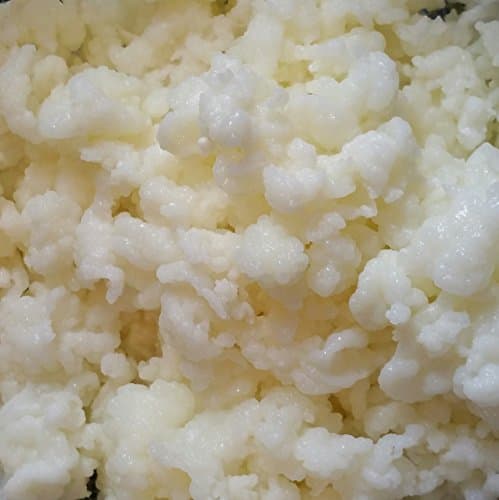
Let me back up. If you're new to this, milk kefir grains are not actually grain in the cereal sense. They're a living symbiotic colony of bacteria and yeast — think of them as tiny, irregular cauliflower florets that busily munch on lactose and produce lactic acid, carbon dioxide, and a mild alcohol content in the process. You add them to milk, they work their microbial magic for 24-48 hours, and out comes kefir: a tangy, pourable fermented drink with a reported 30-50 distinct probiotic strains depending on the source.
The Natural Home Remedies package gives you approximately one teaspoon of these live grains, sourced from organic raw milk on what they describe as their own farm. That's a small starting amount — you won't be swimming in kefir on day one. But because the grains multiply with each culturing cycle, that teaspoon grows into a generous quantity within a few weeks if you're consistent. The trade-off is that you have to actually be consistent. This isn't a set-it-and-forget-it product.
Key Features
- Live, active milk kefir grains in Bulgarian strain — one of the most studied kefir origins
- Grown from organic raw milk sourced from the brand's own farm
- Reusable and self-propagating culture that increases in volume over repeated uses
- No additives, preservatives, or stabilizers in the grains themselves
- Suitable for traditional milk kefir and adaptable to alternative milk experiments
- Grains arrive ready to culture with minimal pre-treatment if handled promptly
Hands-On Review
Okay, here's where I get specific — because product listings tell you almost nothing useful about what it's actually like to use this.
I received my order in a padded envelope with the grains packed in a small amount of moisture. They looked… underwhelming, honestly. Small, pale, slightly gelatinous blobs. Not the hearty chunks I was imagining. My first thought was that I'd been had. I dropped them into a glass jar with about a cup of organic whole milk — I don't mess around with ultra-pasteurized stuff for this — and covered it with a coffee filter secured by a rubber band. Then I waited.
Nothing much happened for the first twelve hours. By hour eighteen I started seeing tiny bubbles on the surface. By hour twenty-six the milk had thickened noticeably and developed that characteristic tangy smell. The grains had grown slightly and felt firmer. I strained the batch — the kefir poured through a plastic strainer easily, leaving the grains behind — and popped them straight back into fresh milk.
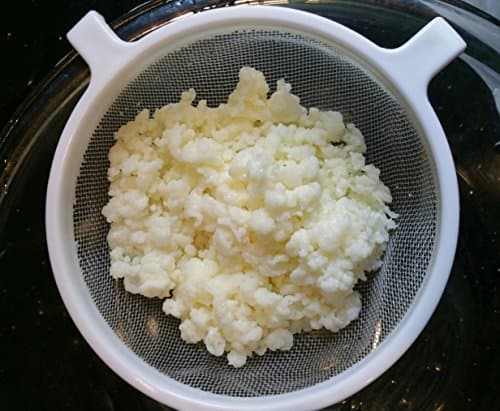
The first few batches were on the thin side. I was honestly skeptical at first — I'd read that Bulgarian kefir grains can be slow to adapt to a new environment. By batch four, though, things shifted. The fermentation time dropped to about 22 hours, the texture thickened to a pourable but not gummy consistency, and the flavor developed that pleasant tartness without going sour. I drink mine cold, straight up, sometimes blended with a handful of frozen berries.
What surprised me was the temperature sensitivity. My kitchen runs cool — I'm bad at heating — and once the nights dropped below 65°F, batches started stretching to 36 hours. When I moved the jar to the top of my fridge where it's marginally warmer, the culture bounced back. The listing mentions nothing about this. It should.
After six weeks I now have roughly three times the original grain volume. I give away surplus to a neighbor who's curious, which keeps the growth from overwhelming my daily production. Will I keep using it? Probably — but with a caveat. You have to be the kind of person who actually uses kefir regularly. If a carton of this stuff is going to sit in your fridge and get poured down the drain every third day, these grains will die of neglect.
Who Should Buy It?
- Fermentation enthusiasts who want the real thing — live, multiplying cultures — rather than a one-use powder packet
- Daily kefir drinkers who want to cut costs and control ingredients by making their own at home
- Gut-health experimenters comfortable with a small daily ritual and not intimidated by culturing variables
- Families who go through kefir quickly and want a sustainable supply line
Skip this if you want a passive product that requires minimal attention, or if you'll only make kefir occasionally — the grains need feeding every 24-48 hours or they decline. Also skip if you're strictly lactose-free: while the culturing process reduces lactose content significantly, these grains operate in dairy.
Alternatives Worth Considering
Bread SRSLY Bulgarian Kefir Grains — Ships with a more detailed culturing guide and consistently reported fast activation times. A solid choice if you're a nervous beginner who wants more hand-holding.
Yemoos Kefir Grains, Live Bulgarian Culture — Slightly larger starting quantity in some listings. Good if you want to ramp up production faster and have the fermentation know-how already.
Powdered Kefir Starter (like Body Ecology or Cultures for Health) — If the daily maintenance of live grains sounds like too much commitment, a powdered starter gives you 4-5 batches per packet with no ongoing care required between uses. Less authentic, but lower friction.
FAQ
Milk kefir grains are a symbiotic culture of bacteria and yeast that look like tiny cauliflower florets. They ferment milk into kefir through a chain of microbial reactions. Unlike powdered kefir starter, the grains themselves are live and will grow and replenish as long as you keep culturing regularly.
Final Verdict
After six weeks with the Natural Home Remedies Milk Kefir Grains, I'm confident saying these are a legitimate live culture that performs as advertised — assuming you meet it halfway. The grains activated reliably, grew steadily, and produced drinkable, tangy kefir that I genuinely enjoy. The main frustrations are the lack of printed instructions and the fact that your success is 70% about how consistently you feed them, not just what you paid for them.
If you're ready to commit to a small daily fermentation habit, this is a cost-effective, genuinely probiotic way to make kefir at home. If you want the idea of kefir without the practice, look elsewhere.